When a pipe bursts at 2 a.m. And water races across the floor, you do not reach for a spreadsheet. You reach for the stopcock and a reliable number. In Leicester, with its mix of Victorian terraces, 1930s semis, post-war council stock, and new-build estates, flooded homes are a weekly reality. An emergency plumber is not just a tradesperson, but the difference between a nuisance and a major insurance claim. After twenty years on callouts across Evington, Aylestone, Braunstone, Oadby, Hamilton, and the city centre, I have seen how the first hour decides the next six months. This guide distils that experience so you can act decisively, understand what your plumber is doing, and protect the value of your home.
Why speed matters more than anything
Water behaves like smoke. It finds the lowest gap, wicks into timber, tracks along joists, and drops through light fittings two rooms away from the actual leak. The first hour decides how far that migration goes. If you stop the flow quickly, most flooded floors can be dried within a week and saved with minor decorating. If water runs unchecked, plasterboard ceilings can fail, timber can cup, and mould can bloom within 24 to 48 hours. The bill for drying and reinstatement then jumps from hundreds to local plumbers near me thousands of pounds. Insurers look at how promptly you acted and whether you used competent tradespeople. Fast action preserves options.
In Leicester, winter cold snaps and the River Soar’s microclimate amplify risk. Attics in older terraces run cold, pipes freeze behind knee walls, and loft tanks crack. Newer properties can flood too, often due to failed flexible hoses or a stuck toilet fill valve. Most emergencies are avoidable. When they happen, a focused response protects your structure and your sanity.
The first five moves that reduce damage
- Kill the water at the stopcock. Turn clockwise until it stops. If the internal stop tap jams, try the external street stop tap at the boundary box using a key. Severn Trent Water can assist if the external valve is seized. Isolate electrics in affected areas. If water is coming through a ceiling light, switch off at the consumer unit for that circuit or the whole house if unsure. Do not touch wet fittings. Protect what you can. Move rugs, electronics, and soft furnishings to a dry room. Lift curtains clear of the floor. Place kitchen foil under furniture legs to prevent staining. Start controlled drainage. Use towels and a mop, then set up a bucket under ceiling drips. If the ceiling sags, leave it untouched and keep people out of the room. Call an emergency plumber near me and your insurer. Give clear details and keep photos. Early notification speeds approval for drying equipment and repairs.
Those five actions limit spread and buy you time. The next step is diagnosis, which starts with a quick map of where water appears versus where it originates.
Finding the source fast: inside-out logic
Plumbers work backwards from the evidence. Puddles near an external wall with a dry ceiling above can indicate a burst in a downstairs radiator circuit. Water seeping through a ground-floor skirting line might be a failed washing machine hose or a split in the kitchen sink waste. A damp patch on the ceiling under a bathroom often points to the bath, basin, or toilet, but the real culprit could be the supply pipe in a void or a failed mastic joint that lets shower water run behind tiles.
In Leicester’s housing stock, a few patterns repeat:
- Victorian terraces and Edwardian semis often have lead or old copper rising mains coming up under the hall. Internal stopcocks can be tucked behind the cellar door, under stairs, or in a tight hall riser. Soldered joints near old cold-water storage tanks are frequent failure points after a freeze-thaw. 1930s and 1950s homes might have been retrofitted with central heating long after construction. Joist notching and unprotected pipes in draughty voids are common. Microbore pipes to radiators kink and split under strain. New builds in Hamilton, Thorpe Astley, or Braunstone Town often use plastic push-fit systems. They perform well when installed correctly, but a partially seated O-ring or a poorly supported elbow can work loose under pressure spikes. Flats above shops in the city centre carry extra risk. A failed bath waste or overflow on the third floor can ruin multiple units. Managing agents usually have a priority list for emergency plumbers Leicester residents can call.
A seasoned plumber starts with system isolation. Shut the cold feed, check the meter for movement, then open a tap to see if water continues to run. If it does, the incoming main has not been fully closed. If it stops, isolate branch circuits: close the boiler’s filling loop, turn isolation valves under basins and toilets, or close radiator valves to localise the fault. A thermal camera helps trace warm leaks on heating circuits, while a moisture meter maps spread. In noisy environments, a simple mechanic’s stethoscope can pick up the hiss of a pinhole under floorboards.
Safety around electrics, gas, and boilers
Water and electrics are a bad partnership. If a light fitting drips or a consumer unit sits near a leak path, power down the affected circuit. Modern RCBOs trip quickly, but do not rely on them as your only defence. Let fittings dry fully before re-energising, and consider an electrician’s check for any fitting that was visibly wet.
With gas boilers, do not panic. Most modern combis tolerate a brief soak of nearby plaster as long as internal components stay dry. If water pours directly into a boiler casing, switch it off at the spur and leave it off until a Gas Safe engineer checks it. Pressure loss on a sealed system is common when a radiator valve leaks. The filling loop might tempt you to keep topping up, but constant topping up adds oxygen to the system, accelerates corrosion, and risks more leaks. Better to fix the source and then repressurise to the manufacturer’s target, typically 1.0 to 1.5 bar when cold.
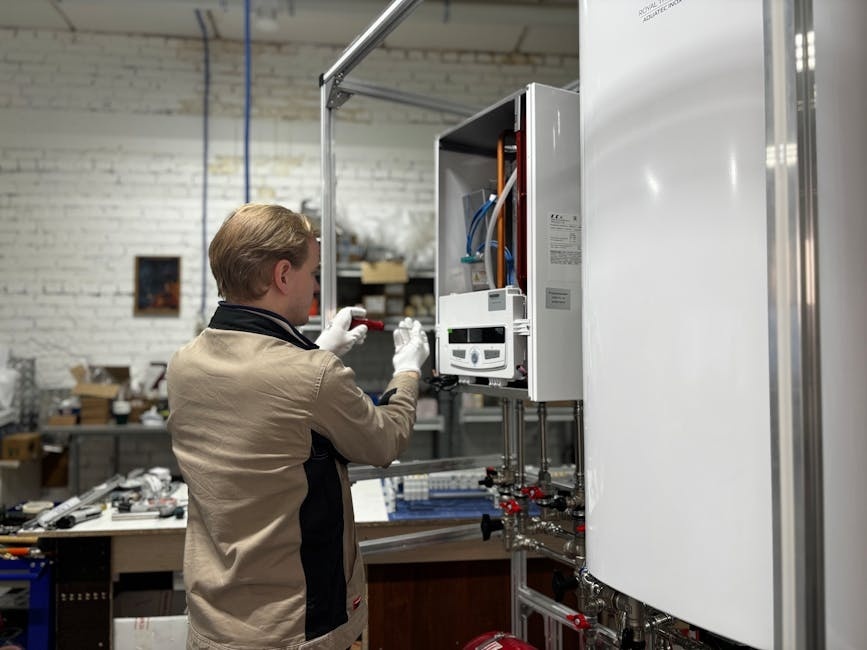
In older vented systems with a loft tank, a stuck ball valve can fill the tank until it overflows through the warning pipe. If the warning pipe discharges over a soffit, you might not see it immediately in heavy rain. Inside, loft tanks sitting on chipboard platforms often sag and crack. Isolate at the stopcock, tie up the ball float if safe to do so, and call for help.
What an emergency plumber actually does on arrival
Expect triage, not wallpaper-perfect restoration. The job is to stop the water, make the system safe, and reduce further damage. Permanent plumbing repairs may happen on the spot if parts are standard and access is reasonable, but sometimes a return visit is smarter. Heating manifolds buried under laminate or pipes under tiled bathrooms are not ideal candidates for rushed midnight surgery. A temporary cap or bypass gives breathing room so repairs can be done cleanly in daylight.
A typical visit flows like this: confirm isolation points, test that the incoming main is fully closed, identify the failure with inspection and meter checks, carry out a temporary or permanent repair, then assist with basic drying measures. Expect notes and photos for your insurer. Good engineers carry compression caps for 15 and 22 mm copper, push-fit stop ends for plastic and copper, rubber self-fusing tape, epoxy putty for pinholes, and pipe freezing kits for cases where a valve fails to close. If a toilet cistern overflows because the fill valve failed, swapping in a new WRAS-approved valve and adjusting the overflow path takes under an hour. If a bath waste cracked, removal and refit might wait until morning when the silicone has time to cure.
On the admin side, be clear about pricing. In Leicester, emergency callout rates vary widely. Some advertise as a cheap plumber Leicester option and do a fair job at a keen price. Others specialise in complex emergencies with higher hourly rates. Many reputable outfits in Leicester plumbing and heating will quote a fixed first-hour fee, with a higher rate out of hours. Ranges I have seen: daytime callouts from no callout charge and a first hour at £60 to £90 plus VAT, evenings and weekends £90 to £140 plus VAT, and public holidays higher. Materials are usually extra. If you search for plumbers near me or emergency plumber near me, read beyond the headline and check for travel time, VAT clarity, and whether there is a minimum charge.
The details that speed your call
- Your precise location and access details, including parking restrictions and whether there is a lift or multiple flights of stairs. Where water is visible and where it is not. For example, “dripping through the kitchen light, no water upstairs” narrows the search. Type of system. Combi boiler or hot water cylinder, plastic or copper pipework, known stopcock location, and whether you have an external stop tap. Any recent work. A new washing machine, a radiator swap, a bathroom refit, or loft insulation added last week can be the smoking gun. Utilities status. Tell the dispatcher which circuits you have switched off, and whether gas and water are isolated.
Have photos ready. A quick picture of the stopcock, the leak, and the consumer unit position often prevents a second trip to the van.
Common causes of sudden leaks in Leicester homes
A handful of faults account for most emergency calls:
Frozen pipes after clear, sub-zero nights. Insulation gaps at eaves are the villain. The thaw is when pipes split. Look at lengths in unheated voids, behind kitchen kickboards where cold air pools, and in lofts around cold-water storage tanks. Prevention beats response: continuous insulation, no exposed sections, and removal of draught paths.
Flexible hoses on basins, toilets, and kitchen taps. Braided flexis fail internally and suddenly. Cheap unbranded hoses with rubber inner tubes can burst within five years. Upgrading to WRAS-approved stainless steel hoses with isolating valves reduces risk. If you hear humming when you open a tap, check for a kinked hose causing vibration.
Toilet fill valves and overflows. A fill valve sticks, the cistern keeps filling, then water runs through the internal overflow and down the pan. If the overflow routing is wrong, it can run externally into the room. Modern valves are quick to replace. Look for scale build-up in hard water areas if your home lacks a softener.
Bath and shower sealing. Siliconed joints fail invisibly. Water tracks under bath panels and a ceiling below turns brown. Re-siliconing only works if the bath is filled during curing so the joint forms at the loaded position. On bath wastes, McAlpine-quality traps and a proper compression seal outperform cheap push-fit imports.
Heating system leaks. Automatic air vents on boilers and airing cupboards weep. Radiator valves loosen when carpets are replaced and the fitter yanks a radiator. Microbore systems in older retrofits split at tight bends. The fix can be as simple as a new olive and compression nut, but sometimes a pipe reroute is cleaner.
Cylinder issues. Unvented cylinders dump water via their pressure and temperature relief valves if the expansion vessel decharges or if someone left the filling loop open. A wet tundish is a red flag. These systems are not DIY territory. A G3-qualified engineer should reset and recommission.
Roof and rainwater confusion. Heavy rain coinciding with an internal leak can mislead. Roofs, valleys, and blocked gutters cause drips that mimic plumbing faults. A plumber’s first task is to rule out rain ingress before opening pipes or floors.
Who to call: plumber, water company, roofer, or insurer
Responsibility depends on where the problem sits:
Inside your boundary and after the external stop tap, plumbing repairs are on you. For example, a burst in the kitchen ceiling, a leaking radiator valve, or a failed flexi hose calls for a plumber.
If the leak is before your external stop tap, Severn Trent Water is responsible for the mains in the street and the meter. The supply pipe between the boundary and your internal stopcock can be your responsibility or shared if you are in a terrace with shared supply. Severn Trent will advise and sometimes offer subsidised repairs or pipe replacement schemes for lead service pipes.
Roof leaks and gutter overflows belong to a roofer. If water started under a valley after heavy rain and there is no evidence of a running tap or a live supply line, it is likely weather local plumbers near me ingress.
Insurers want you to stop the damage and keep receipts. Most policies cover “trace and access” differently from the repair itself. Some will pay to find the leak and make holes, but not to fix the pipe. Others do the opposite. Early contact helps set expectations. Document everything. If you are in a flat, inform neighbours and your managing agent as soon as you suspect a leak affecting other units.
Drying a home properly: from towels to dehumidifiers
Stopping the water is only half the job. Drying prevents mould and structural issues. After containment, open interior doors to help air movement but keep windows mostly closed when running dehumidifiers. A typical 12 to 20 litre per day domestic dehumidifier can pull a surprising amount in the first 48 hours. Position it in the wettest room and close that door for best performance. Lift corner sections of wet carpet and underlay to encourage airflow. Laminate flooring swells and rarely survives immersion; take photos for insurance before lifting.
Skirting boards might need to come off to allow the walls to breathe. A moisture meter guides decisions; timber often looks dry before it is safe to redecorate. Most plasterboard can dry in place if it did not balloon or delaminate. If a ceiling sags, stay out of the room and call a joiner or plasterer once the leak is fixed. Surface mould can start within two days in warm conditions. Treat it early with appropriate cleaners, not just a cosmetic repaint.
For Category 3 contamination, such as sewage backflow, specialist remediation is non-negotiable. Do not attempt to clean carpets or soft furnishings exposed to foul water.
Temporary versus permanent repairs: knowing the line
Competent emergency plumbers use temporary measures with clear reasons. A compression stop end on a butchered pipe in a tight void buys time for a clean rerun the next day. Pipe freezing to fit a valve where isolation is missing is a legitimate technique, especially in blocks where the external supply cannot be shut. Self-amalgamating tape on a pinhole in a low-pressure return line stops a midnight flood. But the follow-up matters.
Permanent repairs respect the material and the environment. Solvent-weld on waste pipes, not silicone bodges. Full-depth collars on copper, not a smear of solder across a gap. Properly supported plastic pipe with inserts, not a bare push-fit connection drooping in mid-air. Where access is impossible without destructive work, honest advice helps the homeowner choose between opening a ceiling and living with a monitored temporary fix.
Heating systems under stress: Leicester specifics
Leicester’s gas grid feeds many combi boilers, but there are still plenty of vented and unvented cylinders around Clarendon Park and Knighton. Each behaves differently in a flood.
- Combi systems: a sudden pressure drop while the boiler is idle usually points to a central heating leak. Close the flow and return valves at the boiler to see if the pressure holds. If it stabilises, the leak sits on the heating circuit rather than inside the boiler. TRVs at radiators often weep after being knocked. A new insert and olive sorts most. Vented systems with loft tanks: if the overflow pipe runs externally and is dripping, you likely have a failed ball valve. The tank itself can split after freezing. Tying up the float is a stopgap. Replace the valve and review insulation and lid fitment. A missing lid promotes condensation and microbial growth in the tank, which is a hygiene issue. Unvented cylinders: any discharge through the tundish needs a G3 engineer. Expansion vessels lose charge over time. A top-up with a pump to the manufacturer’s spec cures many nuisance discharges. If water reached electrical components on the cylinder or controls, have them inspected before re-energising.
Bleeding and rebalancing after repairs matters. Air trapped in upstairs radiators reduces boiler efficiency and increases gas use. A quick balance using lockshields, targeting a 10 to 12 degree drop across each radiator, restores comfort and efficiency.
Drains, backflow, and the flood that is not a leak
Not all indoor floods are from supply lines. During cloudbursts, gullies and combined sewers can back up. Ground-floor bathrooms in older terraces are vulnerable. If foul water emerged from a shower tray or a low-level WC, you experienced backflow. The fix is not a plumber alone but a combination of drainage cleaning and prevention.
A non-return valve on the branch, correctly installed to BS EN standards and with maintenance access, can stop sewer surcharge from entering the property. For basements, a sump and pump with a battery backup offers resilience. Leicester’s Building Regulations Part H and the Water Regulations Guide inform correct installation. WaterSafe-registered plumbers and competent drain engineers coordinate to deliver a compliant solution.
Prevention worth its weight: upgrades that avoid 3 a.m. Dramas
You cannot control the weather, but you can stack the odds. Focus prevention on the frequent offenders.
- Fit isolation valves to every WC and basin. A 10-minute job per fixture pays for itself the first time a fill valve sticks. Replace unknown flexible hoses older than five years with WRAS-approved stainless braided hoses, and note the install date. Lag exposed pipework properly. In lofts, insulate the pipe, not just the loft hatch. Maintain heat paths so pipes benefit from home warmth. A cold loft with warm rooms below is a freeze trap. Install leak detectors and auto shutoff valves in risk zones. Under-sink and behind-WC sensors tied to a smart valve can shut the main within seconds. The better systems integrate with Wi-Fi but still work offline. Service unvented cylinders annually. Check expansion vessel charge, test relief valves, and verify the filling loop is disconnected. A fifteen-minute check prevents months of hidden discharge.
Outside, keep gutters clear, check downpipes for splits, and ensure external gullies run freely. Drainage that works in fair weather but fails in a storm needs attention before winter.
Choosing the right emergency plumbers Leicester can trust
A frantic search for plumber near me should not end with a headache. Pick with a calm eye, even at midnight. Look for:
- Credentials that match the task. Gas Safe for any boiler or gas work. G3 qualification for unvented cylinders. WaterSafe or equivalent competence for supply pipework. Public liability insurance at sensible levels. Clear pricing. If you prefer a leicester plumber no callout charge model, read the small print. Some fold that charge into a high first-hour rate. Transparent rates with VAT explained beat surprises. Stock and readiness. An emergency van should carry common valves, compression fittings, push-fit stops, fill valves, traps, washers, and pipe in standard sizes. A well-stocked van means first-visit fixes. Availability and coverage. True 24/7 service is rare, but good firms organise rota cover. Ask realistic arrival times. In Leicester, 30 to 90 minutes is typical depending on traffic and weather. Guarantees and follow-up. A temporary repair should come with a plan for permanent works. Ask how warranty is handled on both labour and materials.
Local plumbers near me results surface big franchises and one-person outfits. Franchises offer scale and call centres. Independents offer flexibility and direct accountability. Price is not the only variable. A cheap plumber Leicester headline can be attractive, but quality and response matter when your ceiling bulges. Read a few recent reviews, not just the star rating. Look for mentions of punctuality, cleanliness, and communication.
What I have seen that might help you
On a frosty January night in Aylestone, a loft tank split along its seam at 3 a.m. The homeowner woke to the sound of rain indoors. The internal stopcock behind the hall riser jammed. We cut water in the street, tied up the ball float to stop backflow from residual head, and drilled a small pilot hole in the lowest sag of the kitchen ceiling to relieve a dangerous bulge into a bucket. That saved the entire ceiling from collapse. By 5 a.m., we had a new ball valve in, the tank drained, and a temporary bypass feeding only the kitchen cold and boiler while we returned the next day with a new tank. Total reinstatement ended up as paint and a new section of skirting.
Another time in Clarendon Park, a newly renovated bathroom dripped into the lounge below. The leak was not a pipe but a failed silicone joint at the bath lip. The installer had not filled the bath before sealing, so the first hot soak pulled the joint open. Forty minutes with a blade and proper prep, then new high-modulus sanitary silicone with the bath full, ended the saga. The customer had been pricing new ceilings unnecessarily.
In a West End flat, three floors above a takeaway, a washing machine hose burst while the tenant was at work. Water ran for hours, soaking down to the shop. Insurance claims got messy because the landlord and tenant had not documented who maintained appliances. A £10 isolation valve at the washing machine could have made it a ten-minute isolation instead of a day of arguments. Simple preventions avert legal as well as physical damage.
SEO, semantics, and the practicalities you actually need
People type emergency plumbers Leicester, plumber near me, and plumbing repairs into search bars with soaked socks. You need three things fast: how to stop the water, who to trust, and what it will cost. The guidance above addresses those in plain terms. If you ring a Leicester plumbing and heating firm, be candid about budget and urgency. Not every job needs a premium emergency slot. If the flow is stopped and the room is safe, schedule a planned repair at a lower rate. Engineers appreciate honesty and will often advise you toward the most economical route.
For landlords, create a one-page emergency plan for tenants: stopcock location photo, consumer unit location, numbers for water supplier, emergency plumber, and managing agent. Tenants move, paper endures. That single sheet can save you thousands.
Navigating costs without cutting corners
Cost transparency defuses stress. Expect to pay more at 1 a.m. Than at 1 p.m., and expect some variation across the city. A sensible approach:
- Ask whether travel is charged. Confirm if the first hour includes diagnosis and a temporary repair. Request a price for common parts before fitment. Many engineers carry multiple grades; a branded fill valve can outlast two budget units. If you opt for a temporary fix to save time at night, ask for a written estimate for the permanent work the next day.
Leicester has firms that advertise no callout charge, and for straightforward local work that can be fair. Others use a small callout to avoid minimum-hours billing. Either model can be good value when explained clearly.
Insurance, documentation, and getting back to normal
Keep a simple record: date and time of the leak discovery, photos before and after, a short video showing the leak if safe, and copies of the plumber’s invoice and notes. If you have to strip out laminate or lift carpet before an assessor visits, save a sample and photograph the state of the subfloor. If a neighbour’s property was affected, exchange contact details and inform both insurers. Many policies include an alternative accommodation clause if your home is uninhabitable, which can be triggered by a lack of cooking or washing facilities rather than just visible water.
Trace and access cover is a common gotcha. If you need a section of ceiling opened to find a leak, the policy may cover that exploration but not the pipe repair, or vice versa. Ask the plumber to separate those line items on the invoice. Clarity speeds reimbursement.
The bigger picture: water regulations, compliance, and quality
Good plumbing respects the Water Supply (Water Fittings) Regulations and uses WRAS-approved components. On the drainage side, Building Regulations Part H guides waste and foul water design, while Part G covers sanitation and hot water safety. Compliance is not bureaucracy for its own sake. Relief valves on unvented systems exist to prevent scalding and explosions. Air gaps on cisterns protect the mains from contamination. A fix that ignores these principles might work today and fail catastrophically later.
For older Leicester homes with lead supply pipes, replacement improves water quality and reduces leak risk. Grants or shared-cost schemes come and go; check Severn Trent’s current position. A modern MDPE service pipe with a new external stop tap is one of the best long-term investments for leak prevention.
When a search for local plumbers near me really pays off
The right relationship matters. Keep the number of a plumber who showed up on time, communicated, and left the place tidy. Loyalty goes both ways. When snow hits and calls spike, your name will get a faster slot if you have a history and pay promptly. Ask that plumber to map your stopcocks, label isolation valves, and do a pre-winter check. Five minutes of labeling under basins, by the boiler, and at the main stopcock reduces panic for anyone in the house.
If you manage multiple properties, standardise components where possible. Use the same brand of fill valves and TRVs. Stock a few washers and plugs. A predictable parts bin means fewer surprises for any engineer you hire.
Final thoughts that fit the real world
Floods at home feel personal. You watch water soak into floors you chose and walls you painted, and it is hard not to sprint in all directions. A systematic response calms the chaos. Shut the water, make electrics safe, protect what you can, and bring in a competent professional. The rest is process: diagnose, stabilise, repair properly, and dry thoroughly. Whether you find help through emergency plumbers Leicester listings, a trusted Leicester plumbing and heating firm, or a recommendation from next door, focus on competence and clarity rather than headlines like cheap plumber Leicester. Quality workmanship, paired with simple prevention, turns a 3 a.m. Disaster into a story you will someday tell without a clenched jaw.
And when you do finally sit down with a cup of tea after the plumber leaves, take ten minutes to label the stopcock. Your future self will thank you.
Local Plumber Leicester – Plumbing & Heating Experts
Covering Leicester | Oadby | Wigston | Loughborough | Market Harborough
0116 216 9098
[email protected]
www.localplumberleicester.co.uk
Local Plumber Leicester – Subs Plumbing & Heating Ltd deliver expert boiler repair services across Leicester and Leicestershire. Our fully qualified, Gas Safe registered engineers specialise in diagnosing faults, repairing breakdowns, and restoring heating systems quickly and safely. We work with all major boiler brands and offer 24/7 emergency callouts with no hidden charges. As a trusted, family-run business, we’re known for fast response times, transparent pricing, and 5-star customer care. Free quotes available across all residential boiler repair jobs.
Service Areas: Leicester, Oadby, Wigston, Blaby, Glenfield, Braunstone, Loughborough, Market Harborough, Syston, Thurmaston, Anstey, Countesthorpe, Enderby, Narborough, Great Glen, Fleckney, Rothley, Sileby, Mountsorrel, Evington, Aylestone, Clarendon Park, Stoneygate, Hamilton, Knighton, Cosby, Houghton on the Hill, Kibworth Harcourt, Whetstone, Thorpe Astley, Bushby and surrounding areas across Leicestershire.
Google Business Profile:
View on Google Search
About Subs Plumbing on Google Maps
Knowledge Graph
Latest Updates
Follow Local Plumber Leicester:
Facebook |
Instagram

Visit @subs_plumbing_and_heating on Instagram
Gas Safe Boiler Repairs across Leicester and Leicestershire – Local Plumber Leicester (Subs Plumbing & Heating Ltd) provide expert boiler fault diagnosis, emergency breakdown response, boiler servicing, and full boiler replacements. Whether it’s a leaking system or no heating, our trusted engineers deliver fast, affordable, and fully insured repairs for all major brands. We cover homes and rental properties across Leicester, ensuring reliable heating all year round.
❓
Q. How much does a plumber cost in Leicester?
A. The cost of hiring a plumber in Leicester typically ranges from £70 to £120 per hour depending on the type of work required. Smaller plumbing repairs such as fixing a leaking tap, replacing pipe fittings, or resolving pressure issues may cost between £80 and £200. More complex jobs involving heating systems or major plumbing repairs can range from £150 to £400.
❓
Q. When should I call an emergency plumber in Leicester?
A. You should contact emergency plumbers in Leicester if you experience urgent plumbing issues such as burst pipes, major water leaks, blocked drains, or a complete loss of heating or hot water. Emergency plumbing problems can quickly cause property damage if not addressed, so it is important to have a qualified plumber inspect and repair the issue as soon as possible.
❓
Q. What plumbing services do plumbers in Leicester usually provide?
A. Most plumbers in Leicester provide a wide range of plumbing and heating services including leak detection, pipe repairs, radiator repairs, boiler diagnostics, blocked drain clearance, and general plumbing repairs. Many plumbing companies also provide emergency plumbing services to deal with urgent issues that cannot wait.
❓
Q. Why do plumbing repairs need to be carried out quickly?
A. Plumbing problems can worsen quickly if ignored. A small leak or pressure issue can eventually lead to pipe damage, water damage, or mould growth within the property. Carrying out plumbing repairs early helps prevent more expensive problems and keeps your plumbing system working efficiently.
❓
Q. Can I find a cheap plumber in Leicester without sacrificing quality?
A. Many homeowners look for a cheap plumber in Leicester who still offers reliable service and professional workmanship. The best approach is to compare reviews, check qualifications, and request a clear written quote before work begins. A reputable plumber should offer fair pricing while maintaining high standards of plumbing repairs and customer service.
❓
Q. What are the most common plumbing problems in UK homes?
A. The most common plumbing issues include leaking taps, damaged pipework, blocked drains, low water pressure, faulty radiators, and heating system faults. These problems are often caused by ageing plumbing systems, worn components, or debris build up within pipes.
❓
Q. What qualifications should a professional plumber have?
A. A qualified plumber should have recognised plumbing training such as NVQ Level 2 or Level 3 in Plumbing and Heating. If the work involves boilers or gas appliances, the engineer must also be Gas Safe registered. Checking qualifications ensures the plumber is trained to carry out plumbing and heating work safely.
❓
Q. What does Leicester plumbing and heating services include?
A. Leicester plumbing and heating services typically include pipe repairs, leak detection, radiator repairs, boiler servicing, heating system diagnostics, and general plumbing maintenance. These services help ensure water systems, heating systems, and drainage systems operate efficiently within a property.
❓
Q. Do some plumbers in Leicester offer no callout charges?
A. Yes, some companies advertise a Leicester plumber with no callout charge. This means the plumber will attend and assess the issue without charging a separate attendance fee, and you only pay for the plumbing repairs carried out. This can be beneficial when you need a plumbing problem inspected before deciding on the repair work.
❓
Q. How can I prevent plumbing problems in my home?
A. Preventing plumbing issues involves regular maintenance such as checking for leaks, maintaining proper water pressure, and addressing minor plumbing repairs before they become more serious. Periodic inspections of pipework, heating systems, and drainage can help keep plumbing systems working efficiently and avoid unexpected breakdowns.
What does Subs Plumbing & Heating Ltd Do?
Subs Plumbing & Heating Ltd provides plumbing services in Leicester
Subs Plumbing & Heating Ltd delivers Leicester plumbing and heating services
Subs Plumbing & Heating Ltd specialises in plumbing repairs
Subs Plumbing & Heating Ltd offers emergency plumbers in Leicester
Subs Plumbing & Heating Ltd operates as local Leicester plumbers
Subs Plumbing & Heating Ltd provides cheap plumber Leicester solutions
Subs Plumbing & Heating Ltd repairs burst pipes
Subs Plumbing & Heating Ltd fixes leaking taps
Subs Plumbing & Heating Ltd resolves low water pressure issues
Subs Plumbing & Heating Ltd clears blocked drains
Subs Plumbing & Heating Ltd replaces damaged pipework
Subs Plumbing & Heating Ltd carries out general plumbing repairs
Subs Plumbing & Heating Ltd resolves toilet and cistern faults
Subs Plumbing & Heating Ltd repairs pipe leaks and water leaks
Subs Plumbing & Heating Ltd resolves water pressure problems
Subs Plumbing & Heating Ltd installs bathroom plumbing systems
Subs Plumbing & Heating Ltd installs kitchen plumbing systems
Subs Plumbing & Heating Ltd installs taps, sinks and pipe fittings
Subs Plumbing & Heating Ltd restores heating and hot water systems
Subs Plumbing & Heating Ltd diagnoses heating system faults
Subs Plumbing & Heating Ltd repairs radiators not heating properly
Subs Plumbing & Heating Ltd resolves hot water supply problems
Emergency plumbers Leicester repair urgent plumbing problems
Plumbing repairs prevent property water damage
Leicester plumbing and heating services maintain safe water systems
Professional plumbers improve plumbing system reliability
Cheap plumber Leicester services provide cost effective plumbing repairs
Leicester plumber no callout charge services support transparent pricing
Local Area Information for Leicester, Leicestershire